L’uomo che sa sempre porta avanti il prestigioso nome Popol Vuh è un personaggio di molte idee ma poche parole. Inoltre, conducendo le sue performance in una sorta di training autogeno, quando lo avviciniamo per l’intervista concordata è ancora completamente isolato dagli stimoli esterni. Ritorna dopo una ventina di minuti, scusandosi se il suo inglese sarà approssimativo, ma ci spiega che lo ha imparato in Afghanistan presso alcuni pastori. Nonostante tutte queste difficoltà, dalle sue concise dichiarazioni possono essere tratte molte indicazioni interessanti.
TD: Sei stato il primo europeo ad usare un Big Moog. Dicci di questa tua esperienza elettronica pionieristica.
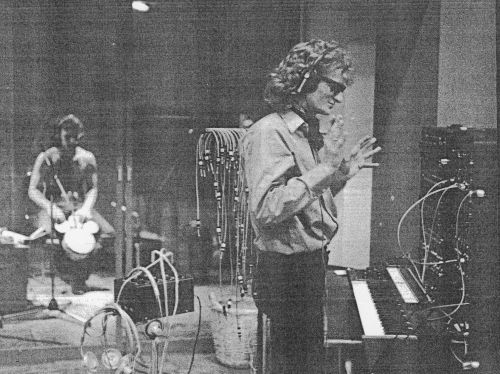
FF: Si, l’ho utilizzato per ‘Affenstunde’e ‘In den Garten Pharaos’. Poi mi sono allontanato da questo genere di strumentazione per affacciarmi verso altri stili. Il Big Moog lo vendetti a Klaus Schulze, che lo possiede tuttora. Recentemente però, anche senza il Big Moog, sono potuto tornare ad esperienze elettroniche, però con un approccio differente.
TD: In ’Hosianna Mantra’ hai unito oriente ed occidente. Da dove ti è venuta l’ispirazione?
FF: Dal di dentro. La avevo dentro me stesso.
TD: A partire da allora hai messo spesso testi religiosi sulla tua musica. Pensi che la musica sia un buon mezzo per diffondere gli ideali spirituali?
FF: la musica è un grande possibilità di comunicazione per molte idee, non solo religiose. Io comunque non ero interessato alla religione come cattolicesimo, cristianesimo o comunque qualche confessione specifica, ma alla religion del cuore, del cuore umano. Ed ho trovato questo sentimento religioso nei testi di Matteo, Salomone, e Mosé che inserito nel miei dischi e non solo in quelli, biblici, ma anche nel Popol Vuh e in altri. Fra l’altro tutti questi vecchi testi religiosi sono stati uno dei miei principali interessi, ed ho passato anni interi a leggerli.
TD: Quando hai suonato con i Gila hai conosciuto Daniel Fichelscher, che poi è entrato per molto tempo nei Popol Vuh. Lui ha influenzato il tuno modo di comporre? FF: In quell periodo, si. Dato che mi piacque molto il suo modo di suonare la chitarra in ‘Einsjager & Siebenjager’, allora decisi che per un lungo periodo avremmo collaborato.
TD: hai avuto modo di incidere con due cantanti di diversa formazione, Djong Yun, un soprano classico, e Renate Knaupf, una cantante rock. Quali le differenze nel lavorare con loro?
FF: Non c’`e stata molta differenza. Entrambe erano cantanti molto brave, dalla voce bellissima. Quando Djong Yun decise di andare a New York, dato che apprezzavo molto quel tipo di voce, femminile e morbida, allora iniziai a lavorare con Renate proprio perché aveva le stesse qualità. Non so perché, ma mi piacciono quei toni.
TD: Hai lavorato molto anche con il regista Werner Herzog, componendo colonne sonore ed apparendo nei suoi film. Com’è iniziata la vostra esperienza commune?
FF: E’ cominciato tutto a Roma. Lui stava girando ‘Aguirre’ ed aveva bisogno di una colonna sonora, così mi chiamo in Germania. Io avevo da poco finito ‘Affenstunde’, andai a Roma, parlammo un po’ e feci la colonna sonora. Da allora iniziammo a lavorare spesso assieme. Ora lui è in America facendo regie operistische. So che ha fatto un documentario su Klaus Kinski e mi piacerebbe vederlo, ma per il resto i nostri interessi di lavoro si sono divisi. Lui allestisce opera ed io musica d’altro tipo. Comunque lo ringrazio tuttora per avermi fatto interessare al cinema.
TD: Lavorerai con lui al film su Montezuma che sta progettando fi fare?
FF: Per ora non la farà. Ha bisogno di moltissimi soldi per quel film, e li sta cercando da anni, ma per ora non li trova e deve attendere. Comunque non so se io sarò parte della faccenda, perché nel caso si tratti di una produzione americana, è probabile che lo obblighino ad utilizzare dei compositori hollywoodiani.
TD: Alla fine dei ’70, in particolare da ‘Letzte Tage, Letzte Nachte’ hai inserito suoni molto elettrici nella tua musica acustica. A cosa si dovette questa svolta?
FF: Fu in buona parte influenzata dal chitarrista, come abbiamo detto prima. Ma è la vita ad essere cosi, vai da uno stadio ad un altro, differente. Non si è sempre interessati agli stessi suoni, così non ci siamo fermati a ripetere sempre le stesse cose, semplicemente.
TD: Verso la fine degli anni ’80, per alcuni anni hai diradato le tue uscite discografiche. Cos’hai fatto in quel period?
FF: In realtà ho sempre continuato a comporre ed incidere. In quel periodo, dopo ‘Cobra Verde’ ho registrato ‘For You And Me’, per la Milan, e poi, arriviamo ai ’90 , ‘City Raga’. Se c’è stato un periodo un po’più lungo fra un disco ed un latro è stato casuale, senza alcuna ragione specifica. Magari è stata la casa discografica a pubblicare con ritardo.
TD: Su ‘In den Garten Pharaos’, il brano ‘Vuh’ è strutturato su flussi ripetitivi di organo, che sono rispuntati nelle tue opere recenti. Il minimalismo ti ha influenzato in questo?
FF: Sono sempre stato interessato alla musica di La Monte Young o di Steve Reich, ma non si può dire che ci siano collegamenti diretti fra certe mie composizioni e le loro. In realtà quei pezzi sono venuti così perché era ciò che sentivo di voler comporre, non c’era una motivazione o un’influenza musicale particolare dietro.

 Die fortschrittlichste, ausgereifteste und vielleicht wichtigste deutsche Plattenproduktion will jedoch bis jetzt nich keine Plattenfirma veröffentlichen. Zu wenig expressiv, zu weit voraus, zu aleatorisch erscheint den bei Deutschlands etablierten Plattenfirmen angestellten